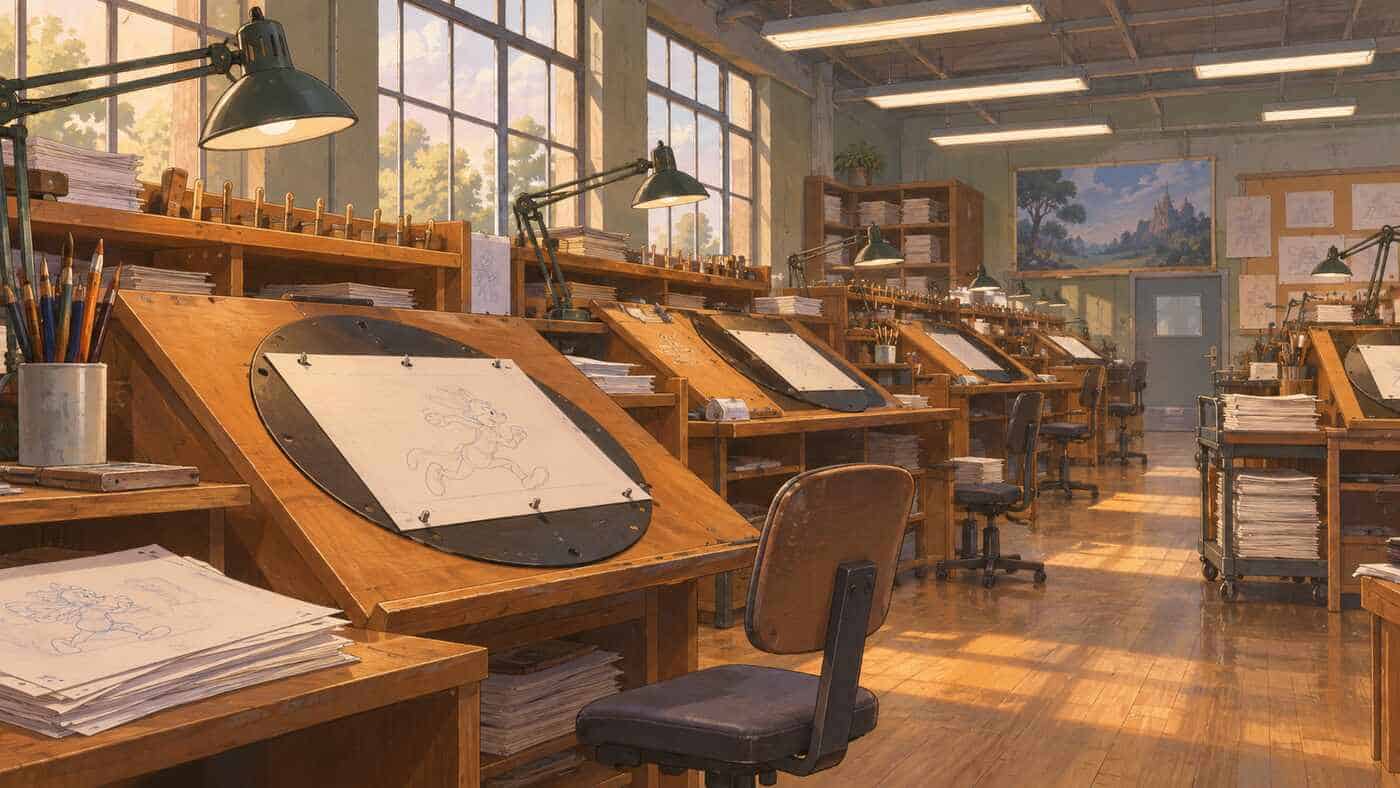
In short: Walt Disney Animation Australia was Disney’s hand-drawn animation studio in Sydney. Disney bought Hanna-Barbera’s Australian studio in 1988, used it first for TV cartoons and then for direct-to-video sequels and films such as Return to Never Land. Known later as DisneyToon Studios Australia, it closed in 2006 with about 250 staff.
For almost two decades, some of the best-known cartoon characters in the world were drawn in Sydney. Disney’s Australian studio animated television series, a long run of home-video sequels and several cinema releases, and trained a generation of local animators. When it closed, many of those artists stayed in Sydney and went on to feature work, games and their own studios, among them the founders of Tui Studios. This is a short history of Disney Animation Australia, with its films, dates and the reasons Disney gave for closing it.
Some terms used below. Disney Animation Australia (also Walt Disney Animation Australia) was the studio’s name for most of its life; from 2003 it sat under DisneyToon Studios, Disney’s unit for sequels and direct-to-video films, and was commonly called DisneyToon Studios Australia. A direct-to-video film is one released straight to VHS or DVD rather than in cinemas.
How did Disney come to Sydney?
Disney arrived by purchase. In 1988, according to Wikipedia’s history of Walt Disney Animation Studios, Disney entered “Australia’s long-standing animation industry by purchasing Hanna-Barbera’s Australian studio to start Disney Animation Australia”. The fan-maintained Disney Wiki gives more detail: the studio, in St Leonards, Sydney, had belonged to Taft-Hardie, an Australian joint venture of Hanna-Barbera, and passed through a management buyout as Southern Star Productions before Disney bought it the same year.
Wikipedia’s list of Disney animation studios dates the Australian satellite from 1988 to 2006, alongside Walt Disney Feature Animation Florida (1989 to 2004) and Disney Animation Canada (1996 to 2000).
Television cartoons first
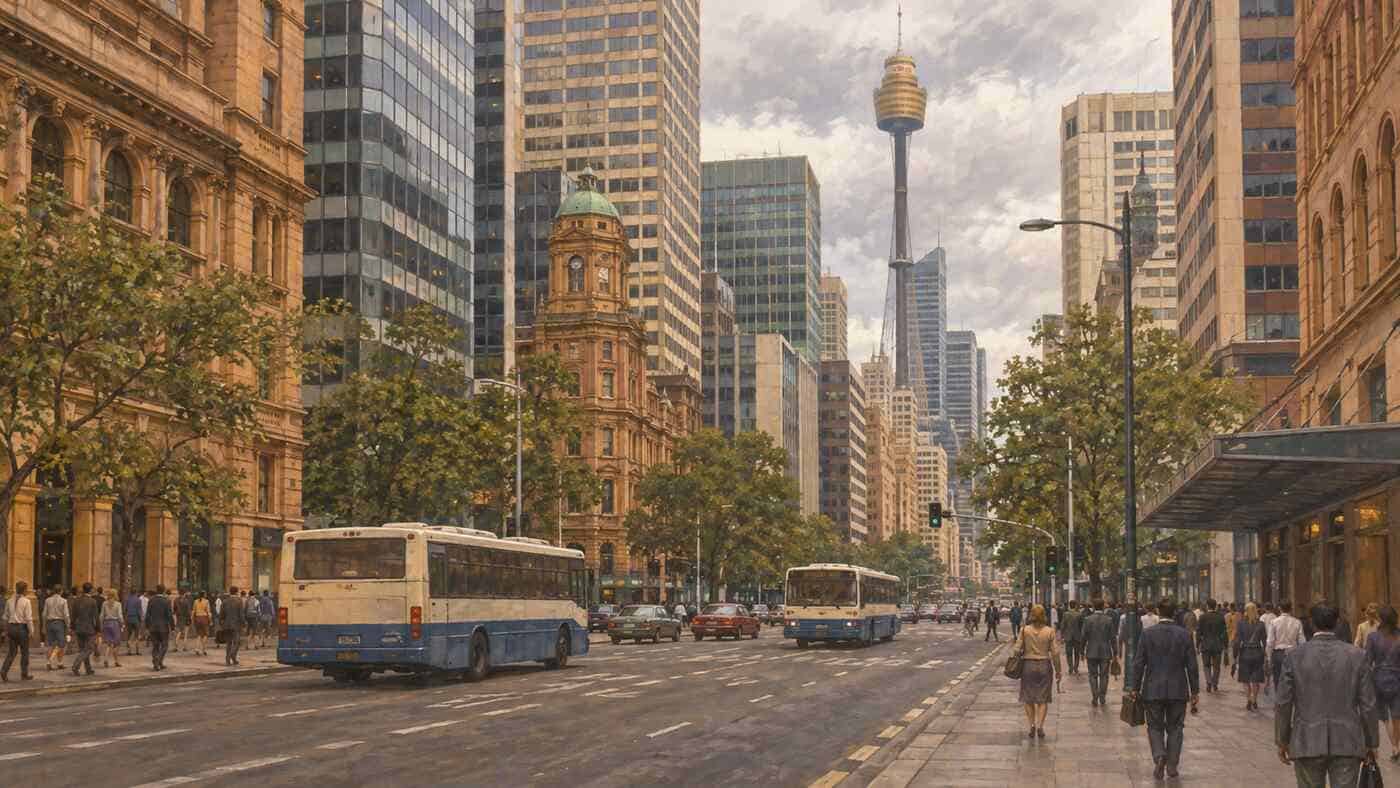
The studio began on television. CBC News reported that the animation house “started out in the late 1980s working on Disney TV cartoons”, and that as its animators gained experience the studio was enlisted for feature work. The Disney Wiki lists series including The New Adventures of Winnie the Pooh, Darkwing Duck, Goof Troop, Bonkers, Aladdin, Timon & Pumbaa, Jungle Cubs and Quack Pack. As staff numbers grew, the studio moved from St Leonards to Castlereagh Street in central Sydney.
The direct-to-video era
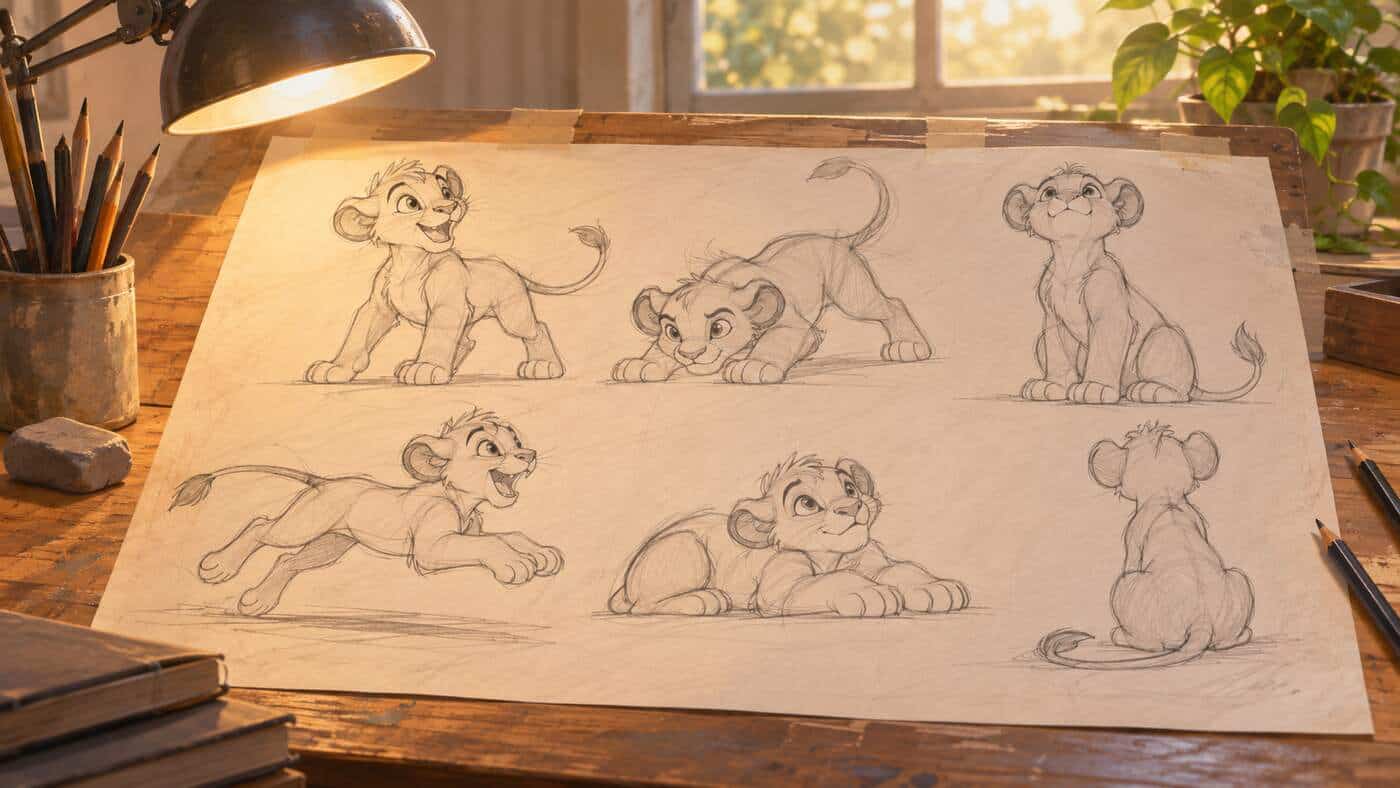
The Aladdin series led to the studio’s biggest change. According to the Disney Wiki, the opening story of the series, made in Sydney, was released on video as The Return of Jafar in 1994, and its success led to Disney’s direct-to-video unit. Sydney went on to animate a long list of sequels. Wikipedia’s DisneyToon Studios article lists Disney Animation Australia as an animation service on the films below.
| Year | Film |
|---|---|
| 1994 | The Return of Jafar |
| 1995 | A Goofy Movie |
| 1996 | Aladdin and the King of Thieves |
| 1997 | Beauty and the Beast: The Enchanted Christmas |
| 1998 | The Lion King II: Simba’s Pride |
| 2000 | An Extremely Goofy Movie |
| 2001 | Lady and the Tramp II: Scamp’s Adventure |
| 2002 | Return to Never Land |
| 2003 | The Jungle Book 2 |
| 2004 | The Lion King 1½; Mickey, Donald, Goofy: The Three Musketeers |
| 2005 | Tarzan II; Lilo & Stitch 2: Stitch Has a Glitch |
| 2006 | Bambi II; Brother Bear 2; The Fox and the Hound 2 |
| 2007 | Cinderella III: A Twist in Time (the studio’s final feature) |
A Goofy Movie was a cinema release, made with Walt Disney Animation France. The Disney Wiki says the Sydney studio’s strength was facial expression and emotion rather than action, so it was often given comedic scenes, while Disney’s Japanese unit handled action sequences.
Cinema features and awards
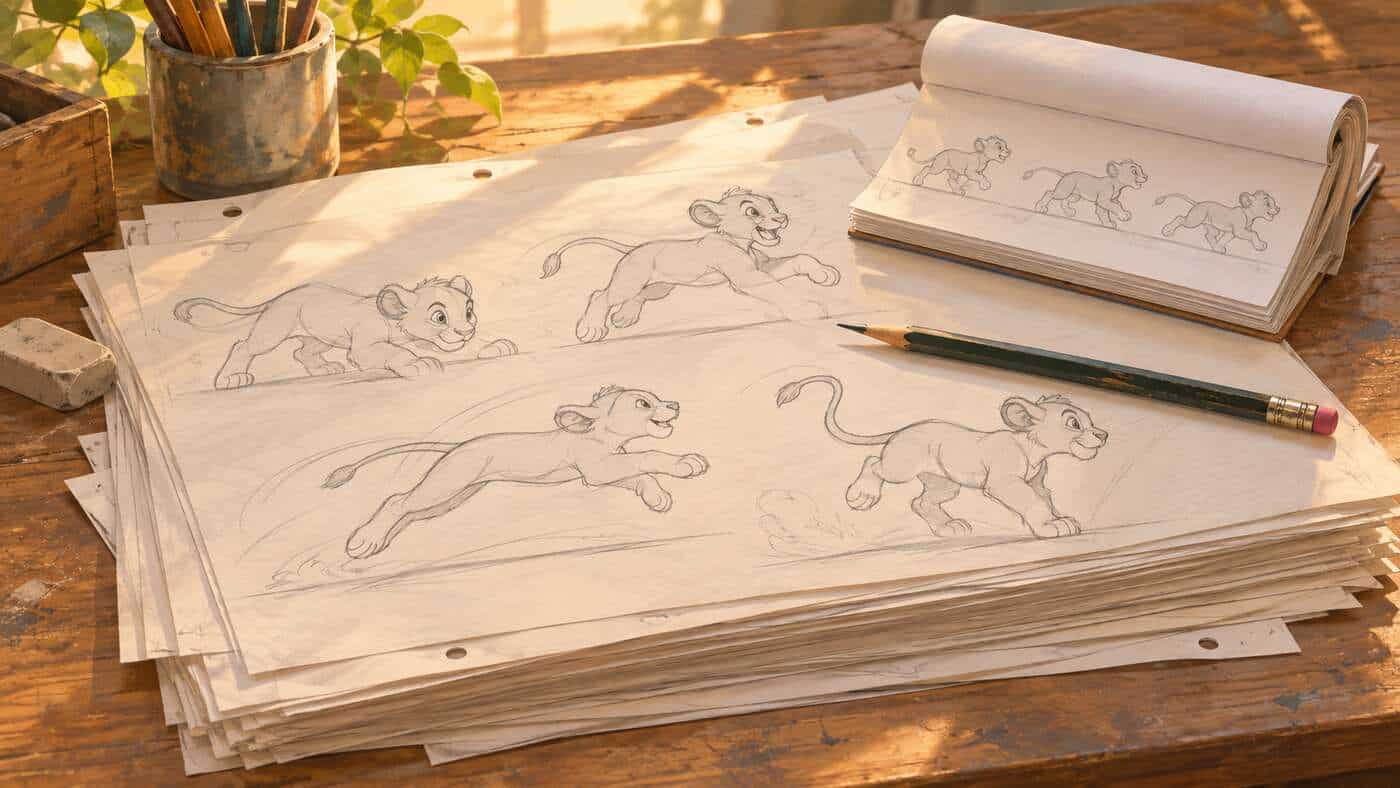
Return to Never Land in 2002 was the studio’s first feature film and, according to the Disney Wiki, grossed over $100 million worldwide. The Jungle Book 2 followed in 2003. Recognition came from the home-video side too. Lilo & Stitch 2: Stitch Has a Glitch won the 2006 Annie Award for Best Home Entertainment Production, according to its IMDb awards page; Wikipedia lists Disney Animation Australia as an uncredited animation service on the film. Kelly Baigent, later a director of Tui Studios, was Unit Director on it, according to Tui’s own archived site.
The Annie Awards are presented by ASIFA-Hollywood. Wikipedia’s page on the category says Best Animated Home Entertainment Production ran from 1995 to 2009.
Why did DisneyToon Studios Australia close?
The end was announced in July 2005. Animation World Network reported that Disney had notified the studio’s 250 employees and published the company’s statement: “It is with regret that DisneyToon Studios has decided to close their animation production facility in Sydney in mid-2006 following the completion of BAMBI II, BROTHER BEAR 2 AND CINDERELLA III.” Disney called it “a business decision due in large part to the changing creative climate and economic environment”, in which the unit needed “more flexibility to choose the most appropriate and efficient animation process”.
CBC described the Sydney studio as Disney’s last studio producing hand-drawn animated features, at a time when the most popular animated films, such as Toy Story, Shrek and The Incredibles, were computer-animated. AWN noted that the closure followed earlier closures in Orlando, Tokyo and Canada.
The sources disagree slightly on the date. Disney’s statement said mid-2006. Wikipedia’s DisneyToon article says the closure was announced on 25 July 2005 for October 2006, after 17 years. Both agree the Australian team finished the last sequels first; Cinderella III reached shops in 2007.
What happened to the artists?
Disney promised staff “a generous package of benefits and entitlements” and help with re-employment, according to AWN. Many stayed in Sydney animation. The Animation Guild blog noted in 2010 that Tui Studios’ directors Jonathan Dower and Kelly Baigent had worked for DisneyToon Studios Australia before it closed, and that they had since opened their own studio and started making phone apps. Both men are credited on Legend of the Guardians: The Owls of Ga’Hoole, produced at Animal Logic in Sydney, as we explain in our guide to storyboards and pre-production.
The DisneyToon unit itself outlived its Sydney studio by twelve years. Wikipedia records that DisneyToon Studios closed on 28 June 2018.
Timeline
- 1988: Disney buys Hanna-Barbera’s Australian studio and opens Disney Animation Australia.
- Late 1980s to 1990s: TV series work, then a move to Castlereagh Street.
- 1994: The Return of Jafar starts the direct-to-video line.
- 2002: Return to Never Land, the studio’s first feature film.
- 2006: Stitch Has a Glitch wins an Annie Award; the studio closes.
- 2007: Cinderella III, the final feature, is released.
- 2018: DisneyToon Studios closes.
Key takeaways
- Disney Animation Australia began in 1988, when Disney bought Hanna-Barbera’s Sydney studio.
- It moved from TV cartoons to direct-to-video sequels, starting with The Return of Jafar in 1994.
- Its first feature was Return to Never Land (2002); its last was Cinderella III (2007).
- DisneyToon Studios Australia closed in 2006 with about 250 staff, Disney’s last hand-drawn feature studio.
- Former staff went on to found Sydney studios such as Tui Studios.
Common questions
Where was Disney’s Sydney animation studio?
It began in St Leonards, in a studio Disney bought from Hanna-Barbera’s Australian joint venture in 1988, and later moved to Castlereagh Street in central Sydney as its staff grew, according to the Disney Wiki. It closed in 2006.
What films did Disney Animation Australia make?
Mostly sequels for home video, including The Return of Jafar, The Lion King II: Simba’s Pride, Lady and the Tramp II, Tarzan II, Bambi II and Cinderella III. It also worked on A Goofy Movie, a cinema release made with Walt Disney Animation France, and on Return to Never Land, its first feature film.
How many people worked there?
About 250 at the time of the closure announcement in 2005, according to Animation World Network, which reported that Disney had notified its 250 employees in Sydney. We have not found reliable figures for earlier years.
When did DisneyToon Studios Australia close?
In 2006. Disney’s July 2005 statement said mid-2006, after Bambi II, Brother Bear 2 and Cinderella III were finished. Wikipedia gives October 2006. The sources differ on the month, so we give both.
How we put this together: the founding comes from Wikipedia’s Walt Disney Animation Studios article and its list of Disney studios; film credits come from Wikipedia’s DisneyToon Studios article; early history comes from the fan-maintained Disney Wiki, which we flag; the closure comes from Animation World Network and CBC News; the award comes from IMDb. Where sources disagree, we say so.
Sources
- Animation World Network: Disney to close down Australian animation studio
- CBC News: Disney to close last hand-drawn animation studio
- Wikipedia: DisneyToon Studios
- Wikipedia: Walt Disney Animation Studios
- Wikipedia: List of animation studios owned by the Walt Disney Company
- Disney Wiki: Walt Disney Animation Australia
- IMDb: Lilo & Stitch 2 awards
- Wikipedia: Annie Award for Best Animated Home Entertainment Production
- The Animation Guild blog, August 2010
- Wayback Machine: Tui Studios home page, 2009